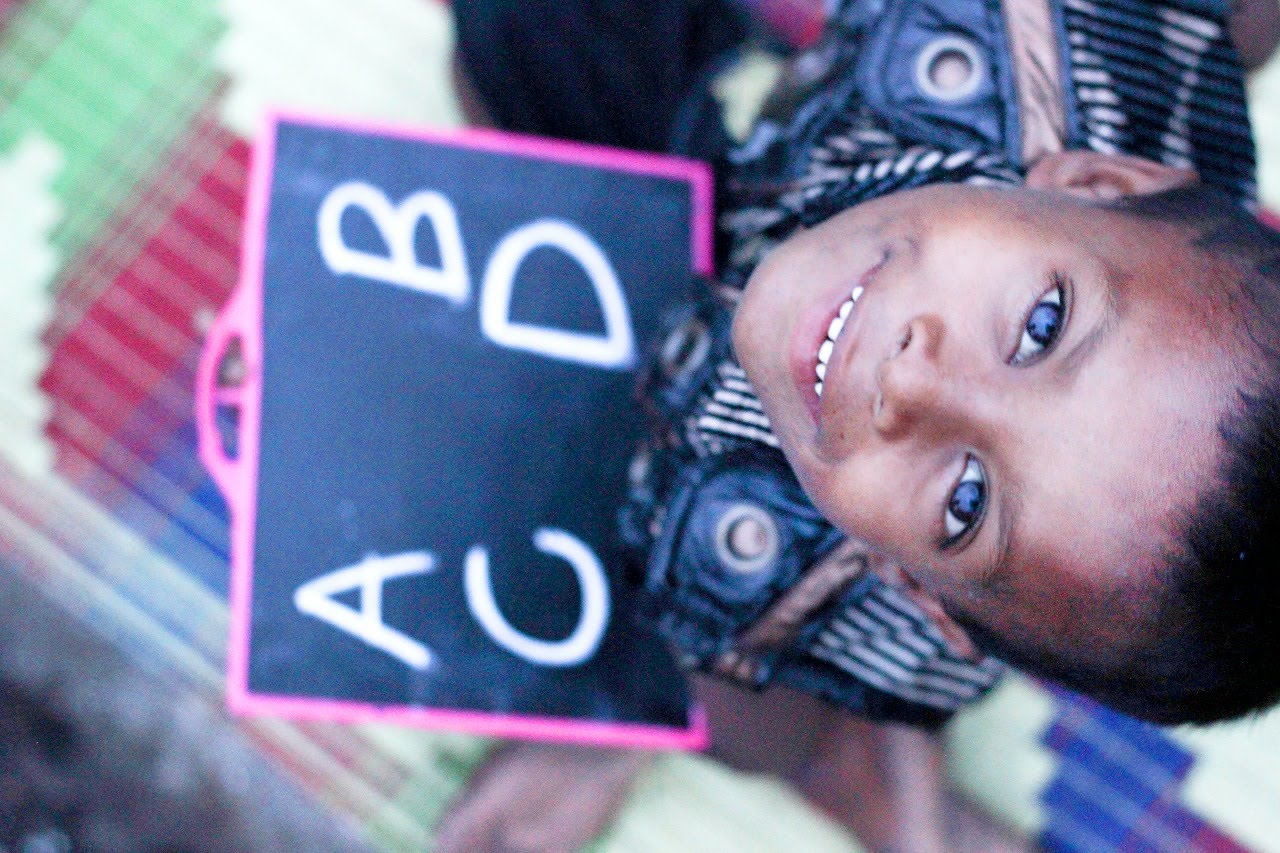
THE EDUCATION CRISIS

Today, in India, almost 1 in 4 people are below the age of 14. It is a crucial position to be in and the steps taken from here will determine the future of India’s education. However, the truth is far from reality.

More than 50% of students in Grade 5 cannot read a Grade 2 text or solve a simple subtraction problem. Only 16% of children in Class 1 can read the text at the prescribed level, while almost 40% cannot even recognize letters. More than a quarter of Class 1 students in government schools are only 4 or 5 years old, younger than the recommended age. These younger children struggle more than others in all skills. At the same time, 36% in Class 1 are older than the Right to Education (RTE) Act (2009) -mandated age of 6. 

Global research shows that 90% of brain growth occurs by age 5, meaning that the quality of early childhood education has a crucial impact on the development and long-term schooling of a child. Early childhood education has the potential to be the “greatest and most powerful equalizer”. With that in mind, UPAY today has achieved great strides in imparting education to young minds. With its humble beginnings in Kumbhari – a small town in Nagpur – UPAY now has expanded exponentially only paving the way for more wondrous achievements to come.

UPAY NGO in India


Education Statistics – Crisis Data

Education Statistics


Education Statistics

Crisis Data

THE EDUCATION CRISIS

Learning Gap in Early Grades

• Over 50% of Grade 5 students cannot read a Grade 2 text or solve basic subtraction.
• Only 16% of Class 1 children can read at their level; nearly 40% cannot even recognize letters.
• These foundational gaps severely impact long-term learning outcomes.

Age-Appropriateness Challenges

• More than 25% of Class 1 children in government schools are only 4–5 years old, younger than recommended.
• These younger students struggle significantly more in all basic skills.
• At the same time, 36% of Class 1 students are older than the mandated age of 6, creating uneven learning environments.

Missed Opportunities in Early Childhood Development

• Scientific research shows 90% of brain growth happens by age 5.
• Poor early childhood education leads to long-term academic difficulties.
• Lack of strong early learning interventions widens inequality.

THE SOLUTION

UPAY’s Impact through Early Education

• UPAY strengthens early childhood education by providing foundational learning support.
• Started in Kumbhari (Nagpur), it has now grown into a large-scale movement transforming young minds.
• By focusing on early learning, UPAY contributes to bridging learning gaps and shaping a stronger educational future.